Introduction: Comprehending the Relevance of CPR Training
When it concerns emergency situations, every second matters. Cardiopulmonary resuscitation (CPR) is an essential skill that can suggest the difference between life and death. As you plan for your upcoming CPR training sessions, recognizing what to anticipate and exactly how to approach this vital ability is essential. Whether you're aiming to become certified in a Child Treatment Emergency treatment Course or an adult-oriented CPR Course, the understanding you acquire will certainly equip you to act successfully in real-life situations.
In this article, we will certainly explore detailed methods on just how to plan for your upcoming CPR training sessions. We'll cover every little thing from choosing the ideal course, what materials to assess, functional suggestions for effective knowing, and far more. Allow's dive in!
How to Get ready for Your Future CPR Training Sessions
Preparing for your CPR training session involves not just mental readiness however additionally logistical factors to consider. Right here are some essential actions:
1. Select the Right Course
Before anything else, picking the appropriate training course customized to your demands is vital. Are you seeking a Child Care First Aid Course? Or perhaps a much more basic CPR Course? Think about choices like the hltaid012 Childcare Emergency treatment Course Near Me, which focuses specifically on first aid for children.
- Research Options: Make use of online sources or neighborhood wellness organizations. Check Qualifications: Guarantee the trainers are certified professionals.
2. Understand Program Prerequisites
Most programs have requirements that may require anticipation or certifications. For instance:
- Some programs might need completion of an earlier course like the hltaid009 mouth-to-mouth resuscitation Course Verify if there's any age restriction or particular problems required prior to enrolling.
3. Gather Necessary Materials
Each training course usually provides products like handbooks or online sources. Nonetheless, having extra materials can be beneficial.
http://lorenzosila964.iamarrows.com/your-regional-guide-to-comprehensive-cpr-training
- Look for books on first aid and mouth-to-mouth resuscitation techniques. Consider watching educational video clips readily available on platforms like YouTube.
4. Familiarize Yourself with Mouth-to-mouth Resuscitation Techniques
Before attending your training session, familiarize yourself with basic mouth-to-mouth resuscitation techniques through different sources:
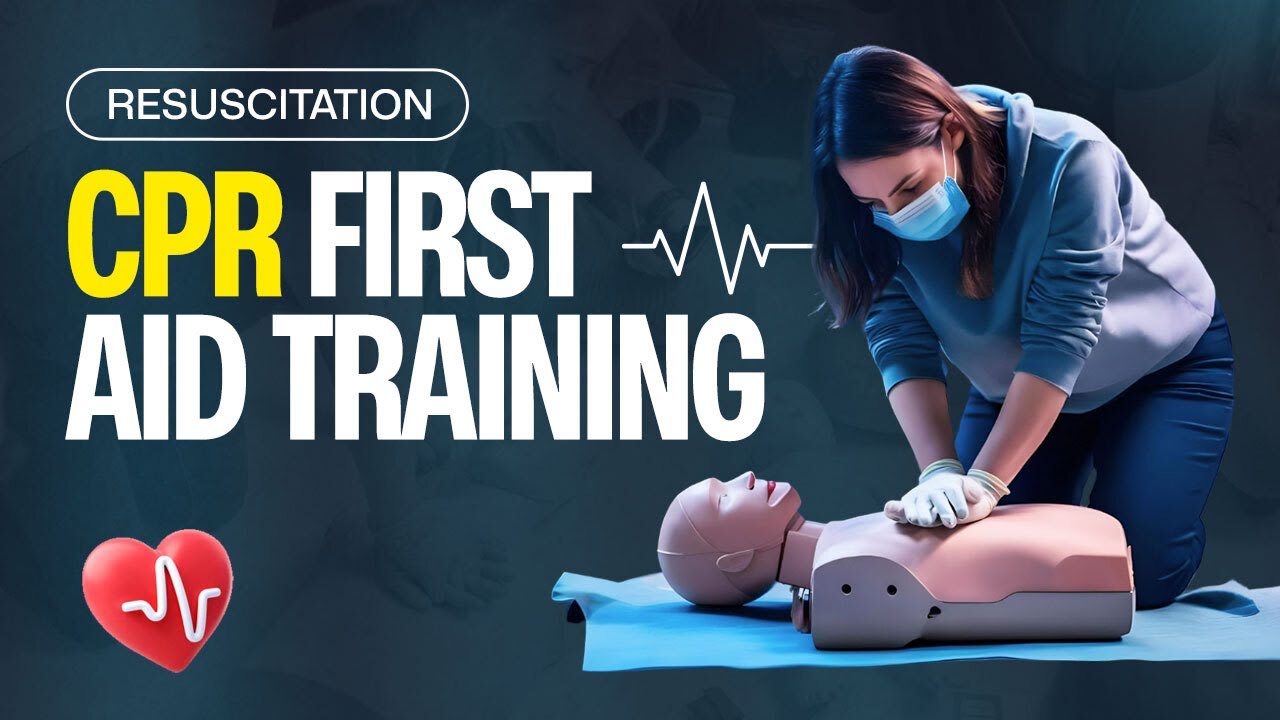
- Online tutorials Apps committed to first aid and CPR Practice using a mannequin if possible
This pre-course exposure will certainly offer you a head start when hands-on training begins.
5. Exercise Mindfulness & Focus
Entering your training with a concentrated and tranquil way of thinking can substantially enhance your understanding experience:
- Consider mindfulness methods such as reflection or deep breathing exercises. Avoid diversions; find a silent room where you can focus on reviewing material.
The Framework of Typical CPR Training Sessions
Understanding what a common session appears like can help debunk any type of concerns you may have.
1. Introduction and Overview
Most sessions begin with an introduction that covers:
- The importance of CPR Statistics associated with heart health Overview of what will be covered throughout the session
2. Hands-On Abilities Practice
Hands-on method is commonly one of one of the most useful aspects of any CPR training course:
Basic Life Assistance (BLS) skills Choking relief techniques Using an Automated External Defibrillator (AED)These abilities will certainly be practiced with mannequins and various other simulation tools.
3. Scenarios and Function Playing
Role-playing various emergency situations aids participants apply their abilities in practical scenarios:
- Participants might mimic a scenario where somebody collapses suddenly. Instructors guide individuals with each step of responding appropriately.
What You Need to Give Your Training Session
To guarantee you're totally prepared, think about bringing along a number of products:
1. Individual Identification and Certification Cards
Some training courses might need proof of identity or previous certifications.
2. Notebooks and Composing Tools
Taking notes throughout lectures can boost retention:
- Bring pens, pencils, and highlighters.
3. Water Bottle & Snacks
Staying moisturized keeps your focus sharp throughout lengthy sessions.
Tips for Optimizing Your Knowing Experience Throughout Training
So you've signed up in your course-- currently what? Right here are techniques to make the most out of your time:
1. Engage Actively in Course Discussions
Don't shy away from asking questions or looking for clarification when required! Engaging actively signals trainers that you're bought learning.
2. Connect With Fellow Participants
Building links with others taking the very same training course uses possibilities for group study later on.

Post-Course Steps: What Comes Next?
After completing your course, there are important follow-up actions:
1. Testimonial Your Skills Regularly
Practicing consistently makes sure that skills stay fresh in your mind:
- Schedule month-to-month session with close friends or family members.
2. Maintain Certifications Up-to-Date
Most certifications need renewal every 2 years; don't allow your own lapse!
FAQs regarding Planning for Your Forthcoming CPR Training Sessions
1. What ought to I put on to my CPR training session?
Wear comfy garments that allows wheelchair since you'll be exercising physical skills.

2. Can I take a Day care Emergency treatment Course online?
Yes! Numerous organizations supply online variations of the Day care First Aid courses; simply ensure they're accredited.
3. How much time does a normal CPR course last?
Courses differ but typically variety from 4 to 8 hours depending on whether they include extra subjects like emergency treatment CPR Course Maitland training.
4. Will certainly I receive qualification after completing my training?
Most licensed programs supply certificates upon effective conclusion; consult your teacher beforehand!
5. Is it needed to have prior clinical expertise before taking a CPR course?
No previous clinical knowledge is needed; these programs are made for newbies in addition to those seeking to freshen their skills.
6. Exist any type of age limitations for taking these courses?
While lots of programs allow individuals as young as 12 years of ages, constantly CPR classes Sydney Olympic Park examine particular requirements based upon area or organization guidelines.
Conclusion: Welcoming Preparedness Via Education
As we end our exploration into planning for upcoming CPR training sessions, it's clear that prep work plays an essential duty in grasping life-saving abilities successfully! From very carefully choosing appropriate training courses-- like the hltaid012 Child Care First Aid Courses Near Me-- to actively involving during course conversations-- every initiative adds toward coming to be proficient at delivering care when it matters most! Equip on your own today because being ready might conserve somebody's life tomorrow!